The Allure of Gambling: Understanding the Attraction
The psychology of gambling is intricate and deeply rooted in human behavior. Many individuals are drawn to casinos not merely for the chance to win money, but for the excitement, social interactions, and the thrill of risk-taking. As people engage in the activities provided by casinos, they may find that online casinos particularly enhance their overall experience by offering a sense of convenience and accessibility. This allure often leads to a phenomenon known as “near-miss” experiences, where players feel tantalized by outcomes that are just shy of a win, propelling them to continue playing in hopes of a favorable result.
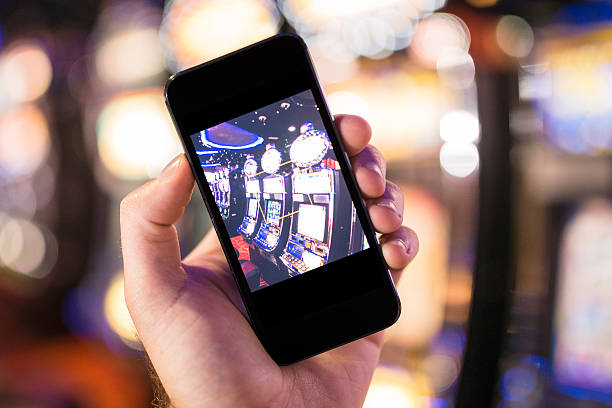
Additionally, the sensory appeal of casinos—bright lights, vibrant sounds, and the overall ambiance—creates an environment that heightens arousal and can lead to impulsive decision-making. This sensory overload can trap players in a cycle of chasing losses, where each spin of a slot machine or roll of the dice provides a dopamine rush akin to other forms of addiction.
The Role of Cognitive Biases in Gambling
Cognitive biases play a substantial role in shaping gambling behaviors. Many gamblers exhibit what is known as the “gambler’s fallacy,” the belief that past events influence future outcomes in random games. For instance, a player may assume that after a series of losses, they are “due” for a win, leading to further investment of time and money into gambling activities.
Furthermore, confirmation bias often encourages gamblers to remember their wins while dismissing or forgetting their losses. This selective memory fosters a false sense of success and can reinforce the habit of gambling, as individuals may perceive their experiences as more positive than they truly are.
The Influence of Emotions and Mood on Gambling Behavior
Emotions significantly influence gambling decisions. Many individuals turn to casinos as a means of coping with stress or anxiety, seeking solace in the distractions provided by gaming. This can result in a cyclical pattern where temporary relief leads to further gambling as a means of escapism, potentially escalating into problematic gambling habits.
Conversely, feelings of excitement or euphoria derived from wins can also encourage continued play, as the emotional highs can become addictive. Ultimately, an individual’s emotional state can heavily dictate their gambling choices, often leading to impulsive and uninformed decisions.
The Social Aspect of Casino Gambling
The social environment of casinos plays a crucial role in gambling behavior. Many people associate gambling with social gatherings, viewing it as an opportunity to bond with friends or meet new people. This social context can amplify the appeal of gambling, as players feed off each other’s energy and excitement, leading to longer gaming sessions and increased spending.
Additionally, casinos often promote a sense of camaraderie among players, where shared experiences can diminish feelings of risk. This social acceptance can normalize gambling behaviors, further enticing individuals to participate in gaming activities even when they are aware of the potential financial pitfalls.

Understanding Website Access Restrictions
This website aims to provide users with clear and actionable information regarding access limitations, particularly related to casino gambling content. The prominent display of error messages, such as “403 – Forbidden,” serves to inform users about their inability to access certain pages, ensuring transparency and clarity during navigation.
By maintaining a user-friendly interface, the site minimizes confusion and directs visitors to comprehend potential restrictions within the platform. This approach not only enhances the overall user experience but also promotes responsible gaming practices by educating users about access issues relevant to casino gambling.