
The Allure of Risk and Reward
One of the primary drivers behind gambling behavior is the inherent thrill associated with risk and reward. Casino games are designed to create an adrenaline rush, where the potential for substantial wins can overshadow the possibility of loss. This dynamic engages players emotionally, leading them to chase the excitement that comes with each spin of the wheel or turn of a card. Many find that the super bowl national anthem captures a similarly exhilarating anticipation, which can draw parallels to the gaming experience.
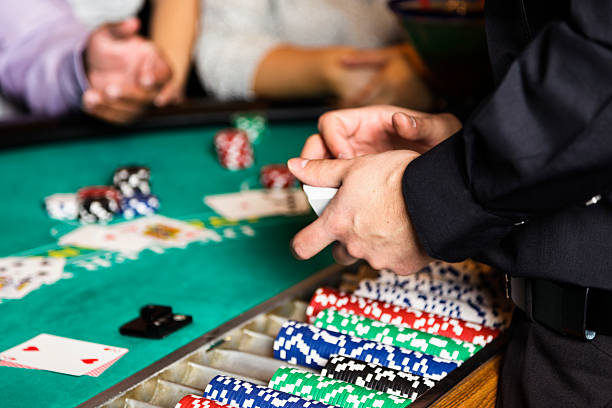
Furthermore, the anticipation plays a crucial role in this psychological phenomenon. As players wait for the outcome of a game, their brains release dopamine, a neurotransmitter associated with pleasure and reward. This chemical response reinforces the desire to gamble repeatedly, making players more likely to return to the casino scene.
The Role of Social Interaction
Another significant aspect of gambling at a casino is the social environment. Many players are drawn to the communal aspects of games, where they can interact with others, share experiences, and celebrate wins together. This social component can create a sense of belonging and community, making the gambling experience more enjoyable and appealing.
Additionally, social interactions can influence gambling behavior. Observing others win can create a feeling of hope and encourage players to take risks they might otherwise avoid. This phenomenon reinforces the idea of “cognitive biases,” where players may perceive their odds of winning differently based on their social context, further entrenching their gambling habits.
The Impact of Game Design
Casino games are meticulously designed to maximize engagement and encourage prolonged play. The use of vivid colors, enticing sounds, and immersive graphics all serve to create an enthralling atmosphere. These design elements stimulate the senses and captivate players, making it easy for them to lose track of time and money.
Moreover, randomness and unpredictability are fundamental components of casino games. The belief in the possibility of winning big, even if it’s statistically unlikely, can keep players hopeful and invested. This illusion of control leads to more extended sessions of play, as individuals convince themselves that they can influence the outcome.
Addiction and Compulsive Behavior
The psychology behind gambling often intersects with addiction, where individuals may find themselves unable to resist the urge to gamble, despite negative consequences. Factors such as psychological predisposition, social environment, and personal circumstances can contribute to the development of compulsive gambling behavior.
Understanding these psychological triggers can help in addressing gambling addiction. For many, awareness of their behavior patterns, alongside professional treatment, offers pathways to regain control over their gambling habits. Recognizing the fine line between entertainment and addiction is crucial for healthy engagement with casino games.

The Importance of Responsible Gaming Resources
As you delve deeper into understanding the psychology behind casino games, it’s essential to recognize the role of responsible gaming resources. Many casinos and gambling websites prioritize player safety by providing tools and support for responsible gambling practices. Information about limits, self-exclusion, and access to help are vital to ensuring a safe environment for all players.
Ultimately, understanding the intricate psychology of gambling can enhance the experience while promoting awareness of responsible gaming. This approach ensures that individuals can enjoy the thrill of casino games without falling prey to the risks associated with excessive gambling behavior.